
The allure of chance: understanding the basic attraction
Casino games possess a unique allure that captivates a wide array of players, drawn in by the thrill of chance and the potential for significant wins. This fascination often stems from the unpredictability of outcomes, which can evoke a heightened sense of excitement and anticipation. Players find themselves in an environment where the notion of instant gratification prevails, creating an addictive cycle where the prospect of victory outweighs the possibility of loss. The concept of finding the best crypto casino is often intertwined with these experiences, as players seek out optimal opportunities to enhance their gaming journey.
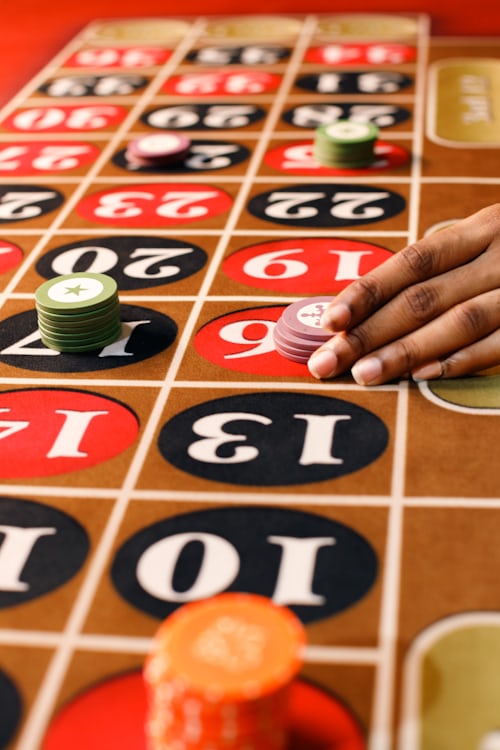
The psychological appeal of chance-based gambling lies in the release of dopamine, a neurotransmitter associated with pleasure and reward. When players engage in casino games, the brain rewards them for taking risks, particularly when they win. This creates a feedback loop, reinforcing the desire to play and leading to repeated gambling behavior, often regardless of past experiences or the odds involved.
The role of cognitive biases in player decision-making
Cognitive biases play a significant role in how players perceive their chances and make decisions at the casino. One common bias is the illusion of control, where individuals believe they can influence the outcome of random events. This can lead players to engage in superstitious behaviors or develop personal rituals that they believe will enhance their chances of winning, even though the outcomes are entirely random.
Another prevalent cognitive bias is the gambler’s fallacy, which is the mistaken belief that past results affect future probabilities in gambling. For instance, a player may think that a specific slot machine is “due” for a payout if it has not paid out recently. Such misconceptions can influence betting patterns and lead players to chase losses, which often exacerbates their overall gambling habits.
Social influences and the communal experience of gambling
The social aspect of casino games significantly impacts player behavior. Casinos are designed to be inviting and engaging spaces, fostering interactions among players. This social dynamic can lead to a sense of belonging, as individuals find camaraderie with fellow gamblers. Such environments can enhance the overall experience, encouraging longer play times and a willingness to take greater risks.
Moreover, peer influence can shape a player’s gambling behavior, where individuals may be more likely to bet larger amounts or try new games when surrounded by others. The excitement of shared wins, as well as the emotional highs and lows that come with gambling, can create a powerful communal experience that keeps players coming back for more.
Responsible gambling practices and psychological support
Given the potential for addiction and harmful consequences associated with gambling, responsible gambling practices are essential. Many casinos and online gambling platforms provide resources for players to manage their behavior, such as self-exclusion programs and options to set limits on spending. These measures are crucial in helping individuals maintain control and ensure that gambling remains a form of entertainment rather than a detrimental habit.
Psychological support and counseling services are also available for players struggling with gambling addiction. Professionals can help individuals better understand their behaviors and develop healthier coping mechanisms. By addressing the underlying psychological factors that drive gambling, support services aim to promote a more balanced approach to this popular but risky pastime.

Ensuring a secure environment for players
As players navigate the complex world of casino games, it is vital to maintain a secure and supportive environment. Websites that prioritize player security often implement robust measures to safeguard user data and enhance the overall experience. By incorporating advanced security features, these sites aim to foster trust and confidence among users, encouraging responsible play.
Ultimately, creating a secure browsing experience complements the psychological aspects of gambling, allowing players to enjoy games with peace of mind. Open communication about responsible gambling and security measures plays a crucial role in establishing a community that prioritizes player well-being and responsible behavior.